The 2025 Report
The 2025 Report
Powered by Clair, the Comprehensive Luxury Appraisal Index for Resale, our proprietary software suite, the sixth annual Clair Report examines millions of data points across primary and secondary markets, analyzing pricing movements, consumer demand, and evolving market trends.

In 2025, global tariff changes drove higher primary market prices across handbags, watches, and fine jewelry, accelerating consumer migration toward the resale market in search of access and value. These conditions strengthened demand for enduring luxury icons and signaled rising confidence in the secondary market as a stable, investment-grade channel.
This year’s findings spotlight the brands, styles, and market forces shaping the future of luxury resale—revealing the most compelling investment opportunities ahead.
The Biggest Brands of 2025

Hermès reclaimed the top position in 2025, reaffirming its dominance in the luxury resale market. Achieving an average value retention of 138%—a 38% year-over-year increase—the brand continues to define the benchmark for long-term desirability. Goyard followed closely with a 132% retention rate, up 28%, while The Row entered the “unicorn” category for the first time—reserved for brands with value retention of 85% or higher—posting an impressive 97%.

The Value of Hermès
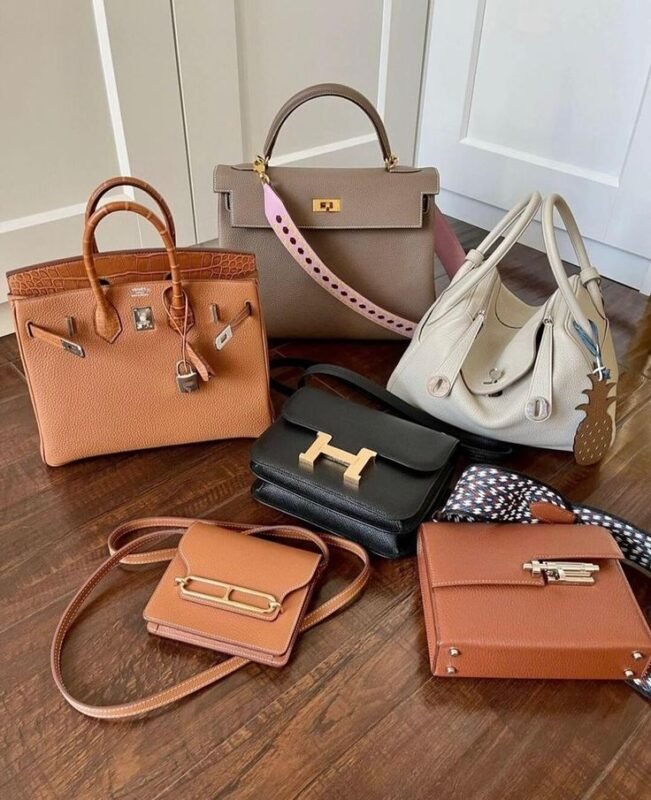
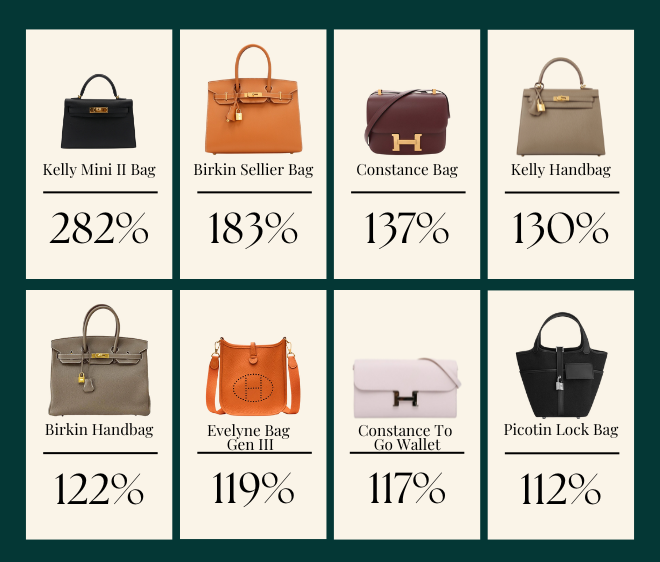
Hermès led the bag category in 2025, with eight styles trading above their original retail prices. The Kelly Mini II topped the list with a remarkable 282% value retention, followed by the Birkin Sellier at 183% and the Constance at 137%. Core icons—including the Kelly, Birkin, Evelyne, Constance To Go, and Picotin—each surpassed 110% average value retention, reinforcing sustained global demand. Newly implemented shopping restrictions—limiting clients to two quota bags annually and one registered address per household—further constrained supply, intensifying premiums across the secondary market.
Hermès vs. the Global Luxury Market
Hermès led all luxury houses in 2025 with an average 138% resale value, outperforming every major label.

Goyard followed with a 132% value retention rate, while The Row entered the “investment tier” for the first time at 97%. Miu Miu posted a strong performance at 104%. Other major houses—including Chanel, Louis Vuitton, and Fendi—remained below Hermès’ value retention range.
Long-Term Strength of Hermès
Over the past decade, Hermès has consistently outperformed the primary market. A ten-year analysis of Birkin pricing shows that while retail prices have risen 43% since 2015, resale values have increased by 92%, indicating that secondary-market demand has significantly outpaced Hermès’ own price adjustments. As a result, Hermès continues to demonstrate one of the strongest long-term appreciation trajectories in the luxury sector.

New Releases vs. Hermès Icons
In 2025, luxury houses introduced a number of new bag designs that gained measurable traction in both the primary and secondary markets. Several of these launches demonstrated strong initial sell-through and healthy early resale performance, signaling sustained consumer appetite beyond seasonal novelty. Contemporary silhouettes from Gucci, Chanel, Bottega Veneta, and Saint Laurent reflected evolving market preferences, with buyers favoring modern proportions, versatile formats, and designs positioned between trend-driven and long-term wearability. Collectively, these releases indicate a continued willingness among consumers to adopt new styles, provided they align with broader value and demand fundamentals in the resale market.

However, even the most successful new releases of 2025 recorded value retention well below Hermès’ benchmarks. While these contemporary bags generated notable market momentum and strong early interest, Hermès icons—particularly the Kelly, Birkin, Constance, and Picotin—continue to dominate across all categories. Their sustained desirability, combined with limited supply and enduring brand prestige, reinforces Hermès’ position as the benchmark for value retention and investment potential in the luxury resale market.

The data underscores a clear and consistent trend: no new release from any luxury brand approached Hermès’ premium value range. Even highly sought-after contemporary designs fell short of matching the sustained pricing power, scarcity-driven demand, and long-term investment appeal that Hermès’ iconic bags continue to command.
Looking Ahead to 2026
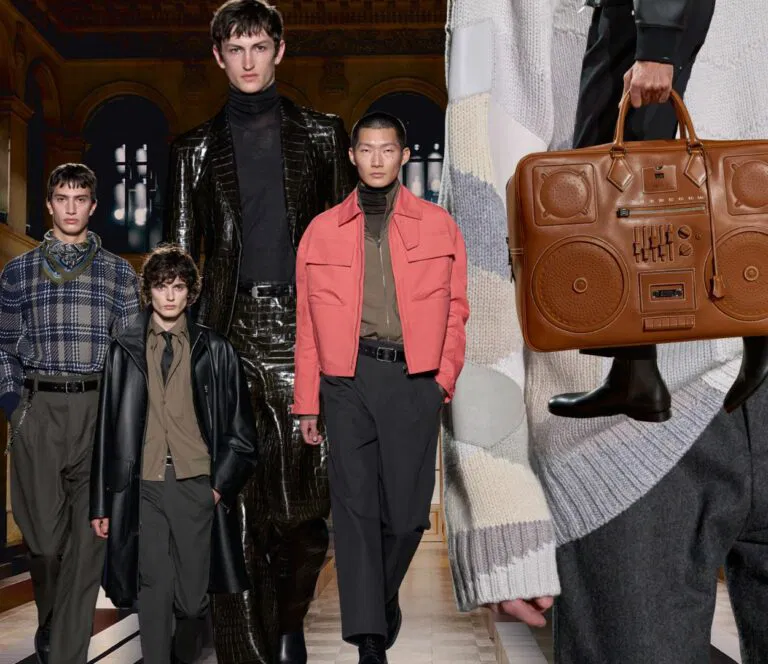
Creative innovation across leading fashion houses—including Chanel, Dior, Bottega Veneta, Celine, and Gucci—is setting the stage for the next wave of luxury design. Emerging silhouettes, novel materials, and evolving design philosophies are expected to shape consumer preferences in the year ahead. Yet, despite this surge of creativity, Hermès’ enduring consistency, meticulous craftsmanship, and tightly controlled availability continue to set it apart, maintaining its unmatched position in both desirability and resale value.

The data suggests that Hermès will remain the strongest long-term investment in luxury, with its core icons maintaining exceptional demand, scarcity, and appreciation.
 Previous Post
 Next Post